
Sustainability starts with operational evidence
Reducing the environmental impact of oil and gas operations requires a clear understanding of where resources are used and where emissions occur. A facility may have opportunities in fuel use, methane management, electricity consumption, water systems and maintenance practices. Those opportunities differ between assets. A useful programme begins with the actual operating conditions and a credible baseline, rather than assuming that a measure successful elsewhere will produce the same result at every site.
The objective should be defined in terms the organisation can measure and manage. Lower energy use per unit of output, reduced avoidable releases or improved water reuse each require different evidence and responsibilities. Environmental performance also needs to remain connected with safety, reliability and product requirements. A technically sound improvement considers those relationships, allowing the team to pursue a benefit without transferring a problem to another system or overlooking an important operating constraint.
Establishing boundaries and a baseline
A baseline explains what is being measured, over which period and within which organisational or physical boundary. Fuel use at a process unit is different from the electricity associated with an entire facility, while supply-chain impacts require a broader view again. Clear boundaries make comparisons meaningful. They also help teams understand which changes they can directly control and which depend on suppliers, utility providers or other participants in the value chain.
Operating context matters when evaluating results. Production volume, feed characteristics, weather and maintenance shutdowns can influence consumption or emissions independently of an improvement project. The assessment should therefore distinguish a genuine efficiency change from a change in activity. Keeping both absolute values and appropriate intensity measures can help explain performance more honestly. The aim is a record that supports decisions and credible communication, including the limitations and uncertainty in the underlying data.
Finding and addressing methane releases
Methane management involves identifying potential release sources, selecting appropriate detection methods and ensuring that findings lead to action. Equipment condition, operating practices and the design of particular systems all influence where releases may occur. Detection technologies have different capabilities and limitations, so a programme should match methods to the assets and questions involved. A single survey provides information about observed conditions; it does not establish that all sources are permanently controlled.
The repair and verification stages are essential. Findings need traceable equipment identification, prioritisation and ownership, followed by confirmation that the response achieved its purpose. Repeated problems can indicate a need to review equipment selection, installation quality or maintenance practices. Bringing these findings into the reliability process helps address causes rather than treating each release as an isolated event. Consistent records also improve the organisation's understanding of recurring sources and the effectiveness of its programme.
Improving energy performance in everyday operation
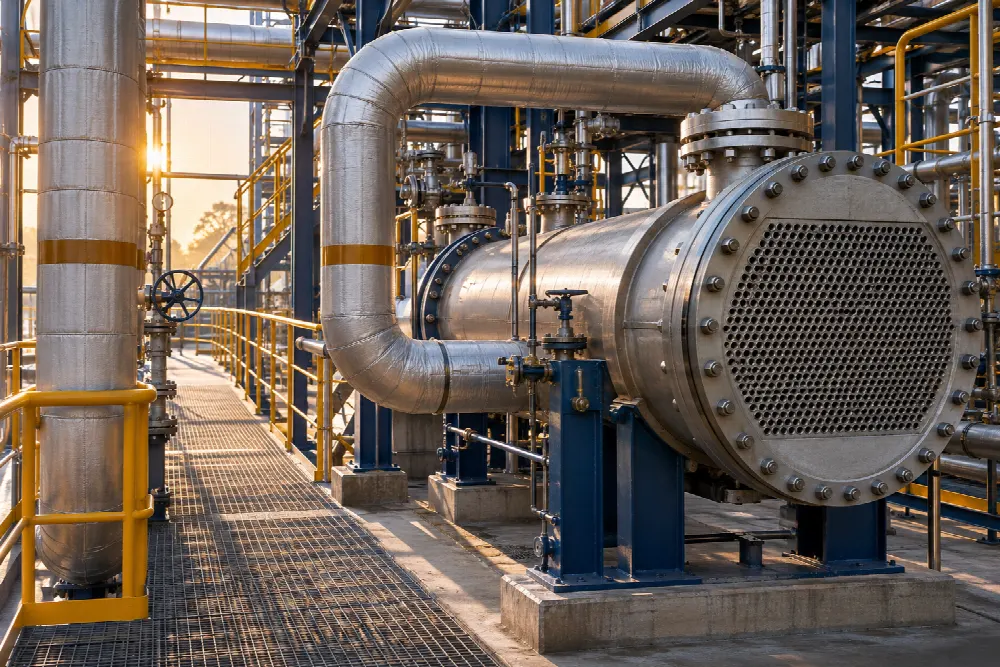
Energy efficiency often depends on how existing equipment is operated and maintained. Heat transfer, insulation condition, steam distribution, compressed-air demand and rotating equipment performance can all affect consumption. The relevant opportunities vary with the process, so measurements and engineering review should guide priorities. A facility needs to distinguish losses that can be addressed through maintenance from changes requiring redesign, investment or a different operating strategy.
Improvements should be evaluated against the complete system. Adjusting one component may change performance elsewhere, particularly where heat, pressure or flow connects several process stages. The assessment should consider reliability, control and product quality alongside energy use. After implementation, suitable measurements can establish whether the expected benefit occurred and whether it persists. This closes the gap between identifying an attractive opportunity and demonstrating a lasting improvement under real operating conditions.
Reviewing flaring and venting in context
Flaring and venting arise in different operational circumstances and require a careful understanding of process design and safety functions. Reducing avoidable occurrences may involve better reliability, improved planning or changes to gas handling infrastructure. Any proposed modification must preserve required protective functions and follow the facility's engineering and change-management processes. Environmental objectives do not remove the need to understand why a system exists and how it behaves during abnormal conditions.
Useful records distinguish routine patterns from events associated with shutdowns, maintenance or equipment problems. That context helps identify the causes that can realistically be addressed. A recurring operational issue may warrant a different response from an isolated event with a known explanation. By linking environmental information with production and maintenance records, the team can prioritise practical improvements and evaluate them without relying on an undifferentiated total that hides the underlying reasons.
Managing water as a connected resource
Water management begins with understanding demand, quality requirements and the destinations of different streams. Cooling, treatment, cleaning and other services may need different water characteristics. Opportunities for reuse depend on whether a stream can meet the receiving system's requirements and what treatment or monitoring is necessary. A reuse proposal should consider the entire balance, including energy demand, residues and the implications for equipment condition and process reliability.
Measurement and maintenance can reveal avoidable losses before larger projects are considered. Leaks, unsuitable control settings or poorly understood demand patterns may undermine an otherwise well-designed system. At the same time, water quality must remain central to decisions about circulation and reuse. Reducing fresh-water intake without considering corrosion, fouling or treatment requirements can introduce new problems. A coordinated approach connects environmental aims with the practical needs of the equipment and the surrounding site.
Materials, waste and equipment life
Responsible material use includes selecting equipment for its duty, protecting it appropriately and maintaining it through a useful service life. Premature replacement can create avoidable material demand and waste, while keeping unsuitable equipment indefinitely can also be counterproductive. Decisions should consider condition, reliability, energy performance and repair options. This broader view helps the organisation assess whether refurbishment, replacement or a change in maintenance strategy offers the most appropriate result.
Waste management requires clear identification, suitable handling and traceable arrangements consistent with the applicable requirements. Segregation and careful planning can support recovery where appropriate, but environmental claims should reflect what actually happens to the material. Procurement can contribute by clarifying packaging, documentation and end-of-life considerations. These are practical questions that can be addressed in specifications and supplier discussions, connecting purchasing decisions with the site's longer-term operational and environmental responsibilities.
Integrating improvements into maintenance and projects
Environmental opportunities often sit across departmental boundaries. An insulation defect may be observed by an operator, assessed by engineering and repaired through maintenance, while its energy impact is tracked elsewhere. If those activities are disconnected, useful improvements can remain unresolved. A shared process should identify the issue, define the scope, assign responsibility and establish how completion and performance will be verified within normal operational planning.
New projects and equipment replacements offer another opportunity to consider resource use early. Design reviews can examine maintainability, measurement provision, efficiency across the expected duty and interfaces with existing systems. These decisions are often easier to address before installation than through later modifications. The project should preserve the assumptions behind expected environmental benefits so the operating team can assess whether actual conditions match the design basis after handover.
Reporting results with appropriate confidence
Credible communication distinguishes measured results from estimates, forecasts and targets. It states the boundary and basis of comparison and recognises material uncertainty. A reduction at one installation should not automatically be presented as a company-wide outcome, and a proposed project should not be described as an achieved benefit. Clear language helps readers understand what the evidence supports and makes internal performance discussions more useful.
Verification should be proportionate to the claim and the decisions it informs. Consistent records, reviewed calculation methods and traceable source data strengthen confidence. Where methods change, the effect on comparisons should be explained. This discipline is valuable even before external reporting is considered because it allows managers to identify which measures are delivering results and which need further investigation. Good environmental information supports operational learning as well as accountability.
Prioritising practical next steps
A workable improvement programme ranks opportunities by significance, feasibility, dependencies and the strength of available evidence. Some actions may fit existing maintenance plans; others require design work or capital investment. Each should have a clear owner, an intended outcome and a way to evaluate performance. Periodic review keeps the programme responsive to changing conditions and prevents completed activities from being mistaken for benefits that have not yet been demonstrated.
When discussing industrial requirements with Petrodubai, information about the asset, service conditions and the operational challenge provides a useful foundation. Sustainable practice becomes tangible when it is translated into sound equipment decisions, dependable maintenance and measurable resource performance. Progress comes from many connected actions, supported by honest records and engineering judgement, that improve how a facility uses energy and materials while preserving the safety and reliability of its operations.