

Piping solutions shaped by the process
Industrial piping connects equipment, transfers fluids and supports the operation of an entire facility. Its performance depends on more than the pipe itself. Valves, fittings, connections, supports and the surrounding operating conditions all influence the suitability of the system. Petrodubai's piping service focuses on understanding these relationships so that an enquiry can be developed into a clear technical requirement for the application concerned.
A new installation, a replacement component and a modification to an operating system present different challenges. Each needs an understanding of the intended duty and the interfaces with existing equipment. Pressure, temperature, fluid characteristics and operating changes help define the requirement, while access and maintenance needs influence practical decisions. Reviewing the complete application avoids choosing components on size alone and discovering a mismatch later in the project.
We begin with the information available and the outcome the customer needs. This supports a focused discussion about the piping system, the technical questions to resolve and the boundaries of the proposed work.
Establishing the service and design basis
The design basis should explain what the system will carry and the conditions it must accommodate. Normal operation is only part of that picture. Relevant variations during other operating states also need consideration by the responsible engineering team. The applicable specifications, drawings and existing equipment information provide a common reference for reviewing the requirement and comparing proposals on a consistent basis.
Material selection belongs within this assessment. Fluid compatibility, corrosion mechanisms, temperature and mechanical demands can affect the suitability of pipes and associated parts. The same attention should extend to seals, bolting and other components that may receive less visibility in an initial enquiry. A system is only as coherent as its interfaces, so incomplete details should be identified before purchasing or installation decisions become difficult to change.
For existing assets, the review also needs to establish what is actually installed. Differences between records and site conditions can affect the scope, making reliable identification and an appropriate verification plan important parts of preparation.
Valves, fittings and connected equipment
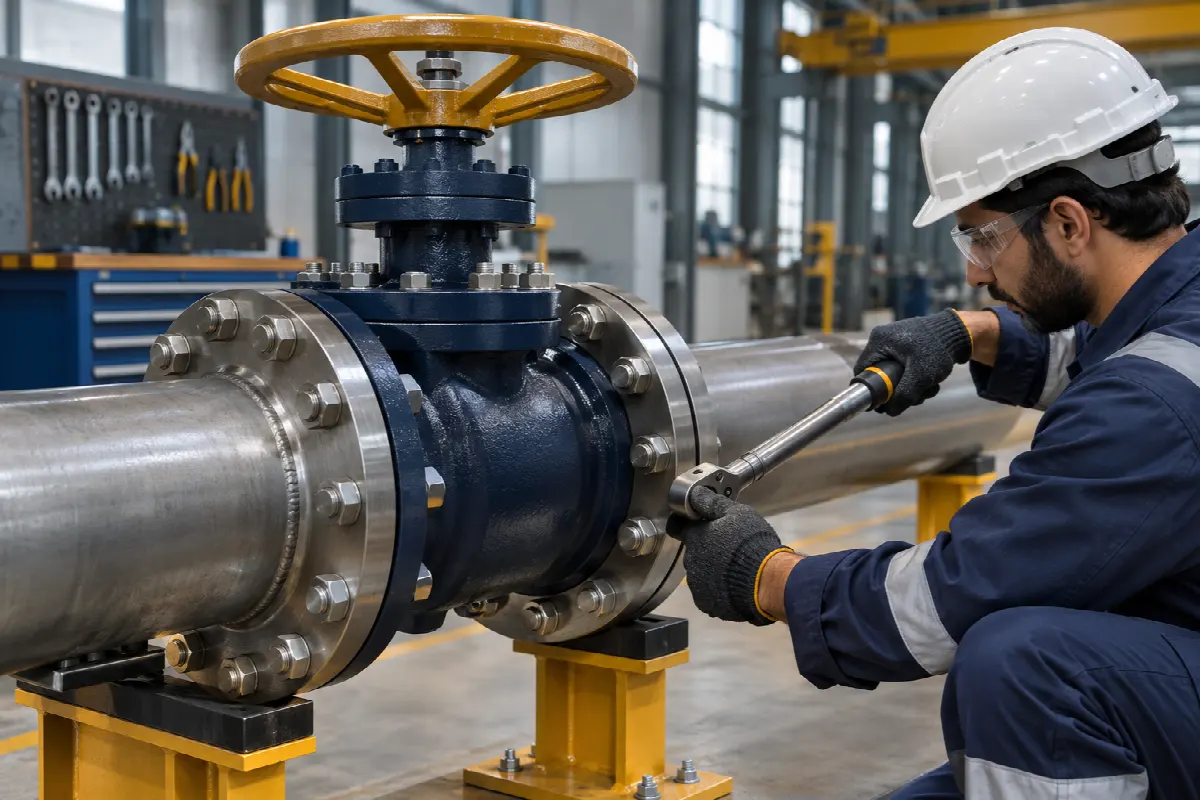
Valves need to be selected for their intended function, whether that involves isolation, control or another defined duty. The process conditions and the required operating behaviour inform the choice, together with the suitability of the actuator and accessories where applicable. A complete package should have clear interfaces with control systems and available utilities. This prevents technically suitable individual items from becoming an unsuitable combination.
Fittings and connections require the same disciplined attention. Dimensions, materials, connection types and relevant ratings need to match the approved specification and adjoining equipment. Documentation should make these characteristics traceable. When an alternative is offered, the review should explain the technical differences and their consequences, rather than accepting similarity of appearance as evidence of equivalence.
Petrodubai's service conversation brings these component requirements into the wider piping context. The aim is to clarify what the facility needs, what information supports selection and which details require confirmation before the scope can progress.
Layout, supports and installation interfaces
A workable layout considers how equipment will be installed, operated, inspected and maintained. Space for valve operation, access to connections and routes for removing components can influence the usefulness of a design. Supports and movement requirements also need appropriate engineering assessment. These issues should be reviewed together because a local arrangement that appears convenient may create difficulty elsewhere in the connected system.
Installation planning brings drawings into contact with site conditions. Existing structures, neighbouring services, work sequencing and access limitations can affect the approach. Clear interface information helps teams coordinate their activities and identify discrepancies before they become rework. The agreed project procedures govern execution and any required review of changes, preserving the relationship between the design intent and the installed arrangement.
Good preparation also identifies the evidence needed during the work. Some details become less accessible after installation, so inspection and documentation requirements should be considered before those opportunities are lost.

Verification, handover and future maintenance
Verification should demonstrate that the completed scope meets the applicable project requirements. The necessary inspections and tests depend on the system and the nature of the work, and should be defined by the responsible technical team. Results need reliable identification so they can be connected to the correct line, component or work package. This makes the handover record useful to the owner rather than simply a collection of disconnected certificates.
The final documentation should reflect the installation as completed, including accepted modifications and relevant material information. Open items and follow-up requirements need clear ownership. These records help the operating team plan inspection and maintenance, assess later changes and understand the configuration of the asset. They are especially valuable when several contractors or suppliers have contributed to the same system.
Maintenance access and replaceability deserve attention throughout the project. Considering them early can reduce avoidable difficulty later and supports a piping system that remains manageable after the original construction team has left.

Share your piping requirements
A practical enquiry includes the fluid service, available operating conditions, line or component identification and the purpose of the request. Drawings, specifications, photographs and existing equipment data can help define interfaces. If the requirement concerns a replacement, details of the installed item and the reason for replacement are useful. For modifications, describe the intended change and the constraints imposed by the surrounding facility.
Petrodubai welcomes enquiries covering industrial piping systems, valves and associated components. Use the contact page to share your technical brief and available documents so the requirement and next steps can be discussed. Clear information supports better coordination between engineering, procurement and site activity. It also helps ensure that the proposed scope responds to the actual application, with appropriate attention to compatibility, documentation and the needs of the team that will operate and maintain the system.