

Reliable equipment begins with informed care
Industrial equipment supports production through a combination of sound design, suitable operation and consistent maintenance. Petrodubai's equipment maintenance and integrity service focuses on the practical relationship between an asset's condition and the work needed to preserve its intended function. The starting point is understanding the equipment, its duty and the consequences of deterioration. This makes it possible to discuss maintenance requirements in context instead of treating every observation as an isolated repair request.
Different assets need different approaches. Rotating machinery, static equipment and supporting systems have distinct failure mechanisms, access requirements and inspection needs. Their operating history also matters. A recurring problem following changes in duty may require a different investigation from normal wear in an otherwise stable application. Clear records help the team recognise these differences and establish priorities that reflect actual operating needs.
Our service discussion brings together the available condition information, the customer's requirements and the constraints around intervention. The objective is a defined scope that supports practical planning and informed decisions about the equipment.
Understanding condition and criticality
A useful review begins with identification: what is installed, where it operates and which function it performs. Equipment records, drawings, operating information and previous maintenance findings provide a foundation. Where information is missing, the gap should be recorded and considered in the assessment. This prevents a decision from appearing more certain than the evidence allows and helps identify which additional observations would be most useful.
Criticality gives the condition information its operational significance. The effect of a failure may depend on safety considerations, environmental consequences, production requirements, redundancy and the time needed to restore service. A small component can be important if its loss interrupts a critical function. Reviewing these relationships helps establish priorities beyond the purchase value or physical size of the equipment.
Condition and criticality should be considered together. This allows the owner to distinguish urgent concerns from issues suitable for planned work and to prepare interventions with a clearer understanding of their purpose.
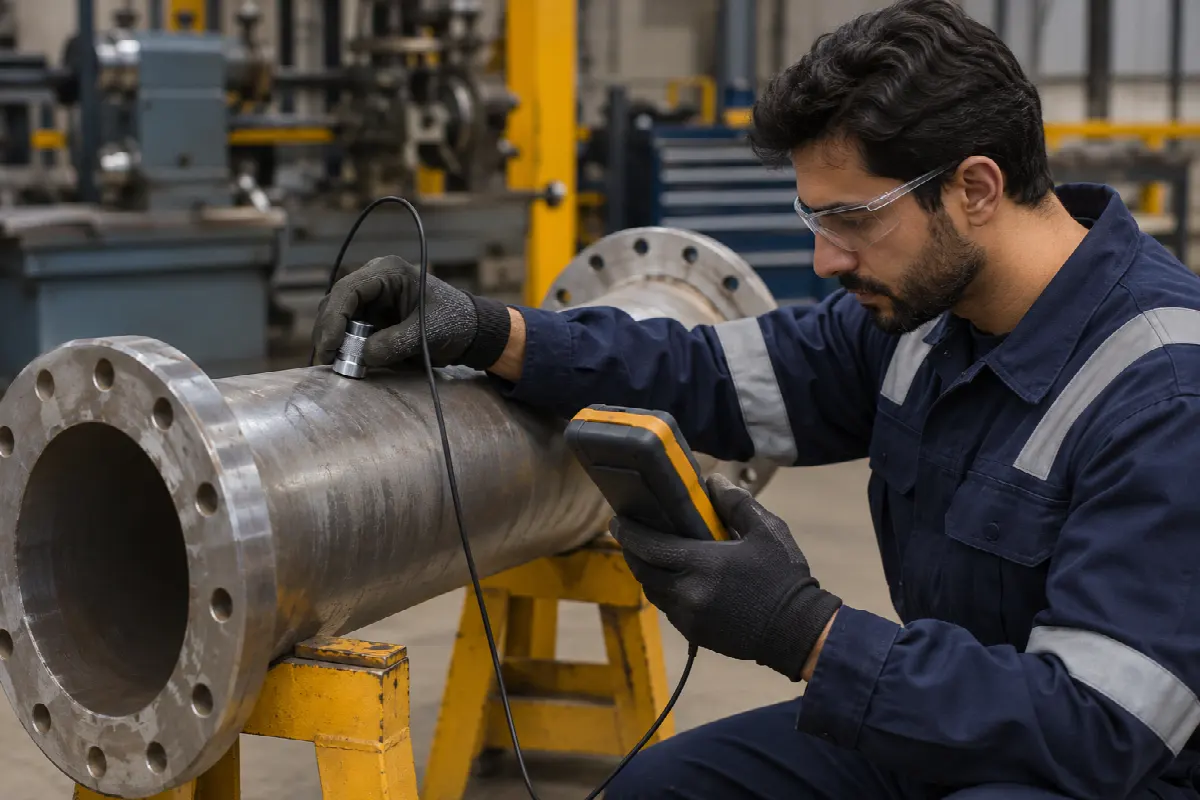
Inspection and evidence for better decisions
Inspection is most useful when it is designed to answer a defined question about the asset. The method should suit the expected damage mechanism, the equipment configuration and the available access. Visual observations, measurements and other assessment techniques provide different types of evidence, each with limitations. Selecting an approach therefore requires more than choosing a familiar instrument or repeating the previous programme without reviewing its relevance.
The quality of records affects how well findings can be interpreted. Measurements need reliable equipment identification and appropriate operating context. Photographs should make the location and observed condition understandable. Where trends are being reviewed, changes in measurement method or duty need to remain visible. These details help avoid false comparisons and support a more consistent technical assessment.
Findings should lead to an accountable decision. A record that identifies a concern without assigning review or follow-up can leave a significant issue unresolved. Connecting observations with assessment, priorities and completed actions is central to useful integrity management.
Planning maintenance around the facility
Maintenance planning needs to consider the equipment and the surrounding operation together. Access, isolation arrangements, supporting services, spare parts and competent resources all affect whether the work can be completed as intended. The appropriate site procedures govern execution, while a clear technical scope helps planners understand the boundaries and dependencies. Preparing these elements before intervention reduces avoidable disruption and uncertainty during the work.
Materials and replacement components need to match the approved requirements. Similar appearance is not sufficient evidence of compatibility, particularly where service conditions or equipment configuration are important. Available manufacturer information and existing records can support review, while proposed substitutions require the appropriate assessment. Traceability helps the owner know which components are installed after maintenance and which documentation applies to them.
The plan should also describe the checks needed before return to service. This connects the maintenance activity with an agreed outcome rather than treating completion of physical work as the only measure of success.
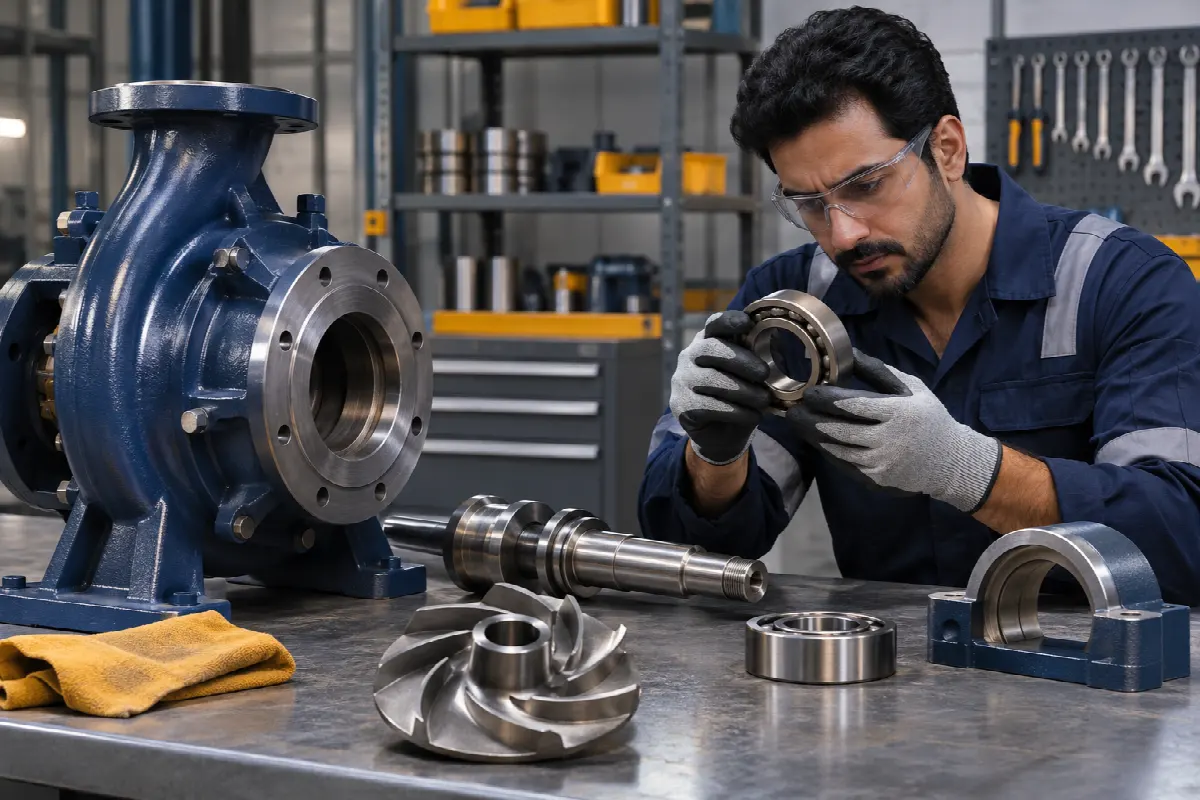
Learning from intervention and preserving asset knowledge
Maintenance creates valuable evidence about the condition of equipment. The actual findings can confirm a suspected mechanism, reveal a different cause or show that further investigation is needed. Recording this information helps improve later decisions. A brief closure stating only that the equipment is running again loses the opportunity to understand why the intervention was necessary and whether the underlying concern has been addressed.
Updated records should describe relevant parts, adjustments, inspection results and accepted changes. Follow-up tasks need to enter the maintenance system so they remain visible after the immediate work ends. Where the operating duty has changed, the future maintenance approach may also need review. This keeps the programme aligned with the asset's present circumstances rather than with assumptions that no longer apply.
A dependable maintenance history supports continuity when personnel or suppliers change. It also helps the owner compare recurring issues across similar equipment and decide where a broader improvement may be justified.

Discuss your maintenance and integrity requirements
A useful enquiry describes the equipment type, service, known concern and the decision or intervention being considered. Include available drawings, identification details, operating history and inspection findings. Information about access, the intended maintenance window and essential operational interfaces helps clarify the practical constraints. If the request involves repeated failures, a concise history of previous actions can be particularly valuable in defining the next review.
Petrodubai welcomes discussions about maintenance and integrity needs across industrial assets. Share your available information through the contact page so the scope, technical questions and expected deliverables can be considered together. Reliable asset care depends on coordinated decisions over time: credible observations, suitable engineering review and work that is prepared, completed and documented. A clear starting brief makes each of those stages easier to organise and provides a useful basis for the support required.