Protection built around the operating environment
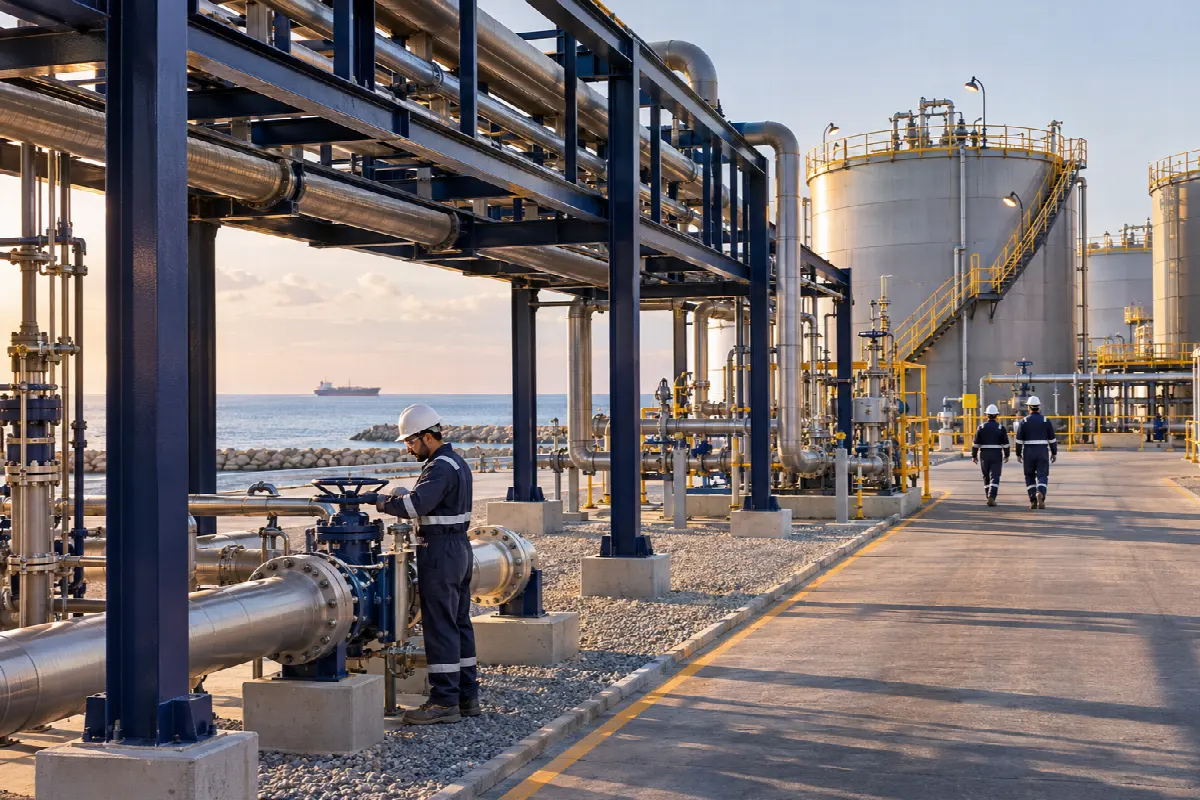
Protective coating is an important part of keeping industrial equipment and infrastructure fit for service. At Petrodubai, the starting point for a coating enquiry is the asset itself: its material, exposure, operating conditions and maintenance needs. A steel structure beside the sea faces different demands from a sheltered item in a process building. Understanding those differences helps define a protection requirement that is practical to specify, apply, inspect and maintain throughout the intended service period.
Our focus is on connecting the protection objective with a clear technical scope. That includes identifying the surfaces involved, understanding the condition of any existing coating and establishing the constraints around the work. Access, operating interfaces and the available maintenance window can all influence the approach. A well-defined requirement gives the owner, technical reviewers and delivery parties a common basis for discussing suitable systems and avoids relying on a product description without considering the conditions in which it will be used.
Coating decisions also belong within the wider management of the asset. Water traps, damaged supports or recurring contamination may need attention alongside the visible coating defect. Recognising those relationships early helps the project address the cause of deterioration and sets realistic expectations for the proposed work.
Assessing surfaces and defining the scope
A useful assessment distinguishes the substrate, the existing protective system and the observed condition. Records, photographs and accessible inspection information help identify areas requiring closer review. Where the previous system is unknown, compatibility should be treated as a question to resolve rather than an assumption. The scope can then describe whether the requirement concerns new equipment, local repair or a wider refurbishment programme, with boundaries that everyone involved can understand.
Surface preparation is a critical part of the specification. The required condition needs to suit the selected system and the substrate, with appropriate attention to contamination, profile and difficult details such as edges and connections. These requirements should be expressed through the applicable project documents and manufacturer information. They should also be achievable within the site constraints, because an attractive coating proposal has limited value if the necessary preparation cannot be performed or checked.
Planning should identify where evidence is needed before work proceeds. This creates a practical connection between preparation, acceptance and application, and reduces the likelihood of discovering a disagreement only after the surface has been covered.

Selecting a compatible protective system
A coating system is a combination of compatible materials and application requirements. Selection should consider exposure, service temperature, mechanical demands and the existing substrate or coating. The review also needs to account for environmental conditions during application and the time required before the equipment can enter service. These factors influence whether a proposed system suits the actual project rather than only its nominal description.
Technical information should make the system boundaries clear. Product data, preparation requirements, compatibility information and relevant project specifications provide the basis for review. Where alternatives are proposed, the comparison should explain the differences and any implications for application, inspection or maintenance. A substitution should not be treated as equivalent solely because its colour or general product category matches the original requirement.
Petrodubai's service discussion brings these practical questions together with the customer's industrial requirements. The aim is an agreed scope that connects the intended protection with suitable materials, a workable execution approach and clearly understood responsibilities, without making unsupported promises about service life under conditions that have not been assessed.
Planning execution and quality checks
Execution planning needs to reflect the realities of the site. Work areas, access arrangements, neighbouring equipment, environmental conditions and coordination with operations can all affect preparation and application. The project should identify these interfaces early and establish the required controls through its approved procedures. This makes the work easier to organise and gives the team a clear understanding of the conditions under which it can proceed.
Inspection should follow the agreed specification and the stages that matter to the selected system. Relevant records may include surface condition, environmental observations, material identification and coating measurements. The exact inspection plan depends on the application; it should be defined before execution rather than assembled after a concern appears. Measuring equipment and reporting practices also need to be appropriate for the decisions the results will support.
Any departure from the agreed requirements should have a documented route for review and resolution. This preserves the connection between what was specified and what was accepted, while avoiding informal changes that leave the operating team uncertain about the final protective system.

Maintaining protection after handover
Coatings need continued attention during service. Damage from access work, weather exposure or local conditions can affect performance even when the original application was satisfactory. A maintenance approach should identify the areas worth monitoring and explain how observations will be recorded and assessed. It should also distinguish cosmetic changes from conditions that require technical review, using suitable criteria for the asset and its environment.
A useful handover record describes the system applied, the relevant areas, inspection results and any agreed follow-up requirements. This information supports later repairs and helps avoid incompatible maintenance materials being introduced without review. Where a repair is necessary, the surrounding condition and the reason for deterioration deserve attention alongside the local defect. Otherwise, the same issue may return despite repeated work.
Thinking about maintenance during project planning makes future care more manageable. Clear identification, accessible records and practical inspection arrangements help the owner preserve the value of the work and make better decisions as the asset's condition changes.
Discuss your coating and corrosion-control requirements
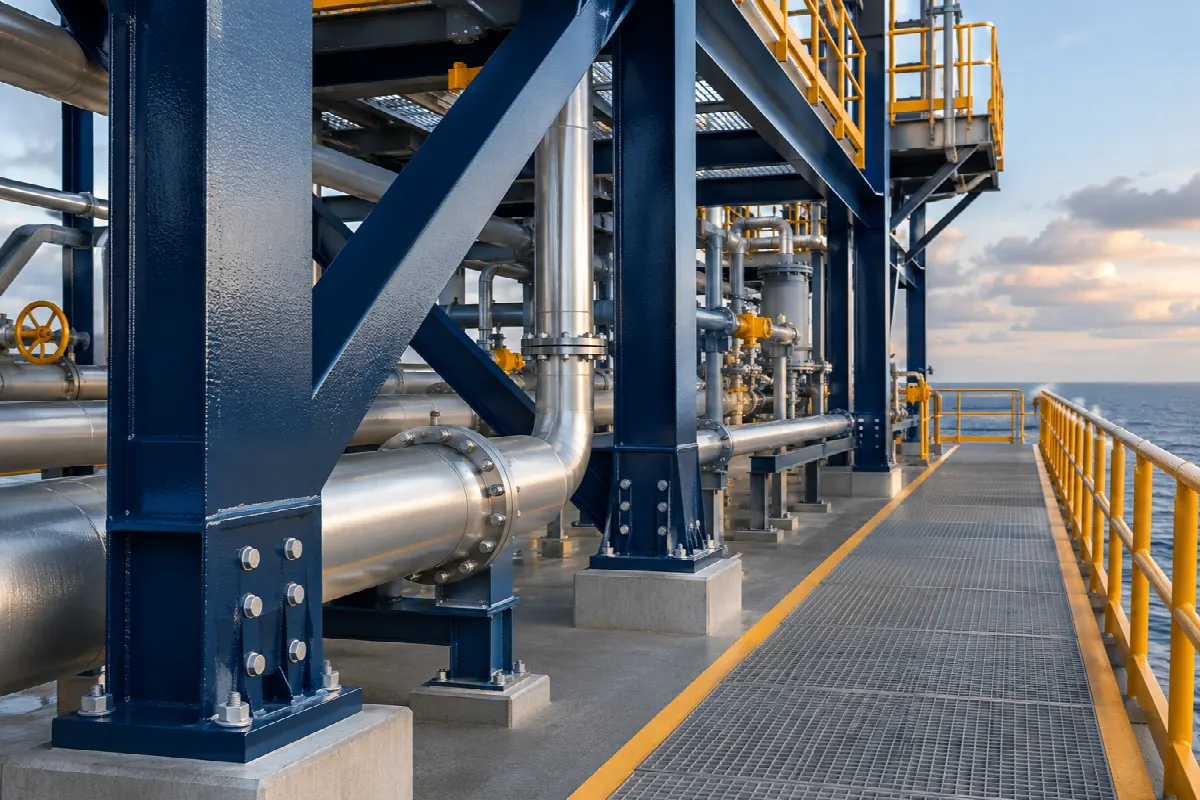
An effective enquiry includes the asset type, location, operating environment and the reason the work is being considered. Available drawings, photographs, coating records and inspection findings can help clarify the requirement. Information about access, operating constraints and the intended maintenance window is equally useful. Where details remain uncertain, identifying the gaps openly allows the next stage of review to focus on the questions that affect the scope.
Petrodubai welcomes coating and corrosion-control enquiries as part of its industrial support offering. Share the available information through our contact page so the technical requirement, project interfaces and expected deliverables can be discussed. A clear brief supports a more useful conversation about protection, execution and ongoing asset care, and creates a sound foundation for determining the appropriate next steps.