
Industrial support in a marine environment
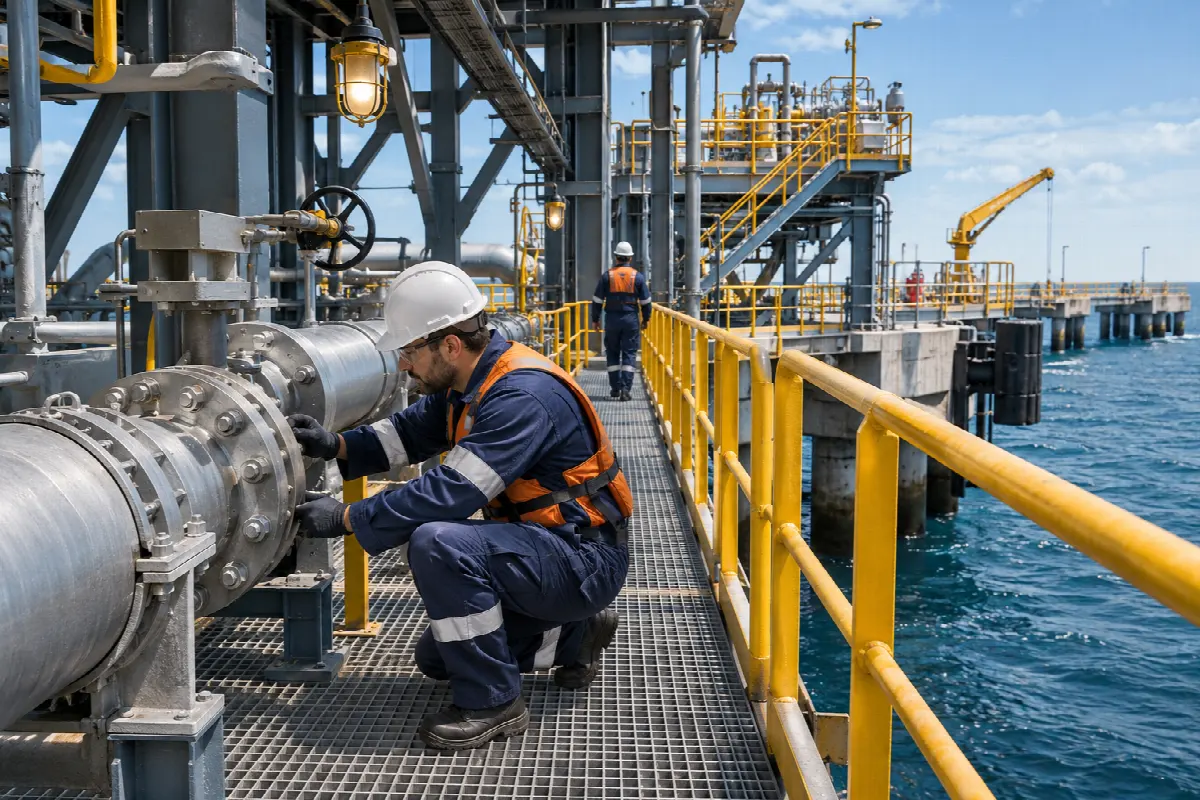
Marine and offshore assets operate in an environment where exposure, access and logistics shape almost every maintenance and equipment decision. Salt, humidity, weather and distance from support facilities can create demands that differ from those of a sheltered onshore installation. Petrodubai's offshore and marine support service begins with these practical conditions, connecting the industrial requirement with the realities of the location and the asset's role.
The scope may concern infrastructure, equipment or a particular maintenance need, but it should always have clear boundaries. A coastal facility, a vessel-related installation and an offshore structure do not present identical interfaces. Understanding the project stage, the available records and the responsibilities of the parties involved helps establish which technical questions must be addressed before the next steps can be defined.
Our focus is a useful starting brief: what needs support, where the work takes place and which conditions influence it. That clarity helps align equipment requirements, protection needs and the practical planning necessary for a marine setting.
Understanding exposure and asset condition
Marine exposure can vary significantly across the same asset. Sheltered areas, frequently wet surfaces and exposed connections may experience different conditions. Existing protection, drainage, mechanical damage and maintenance history also affect the picture. A condition review should recognise these differences rather than describe the entire installation with a single general label. Available photographs, inspection records and material information provide a useful foundation for identifying the areas needing closer attention.
The operating function of the asset gives those observations their importance. A local issue near a critical connection may deserve a different response from similar deterioration elsewhere. Access and the time required to organise intervention also influence planning. Considering these factors together supports priorities that reflect both condition and consequence.
Where records are incomplete or the installation has changed, uncertainty should remain visible in the scope. This allows the team to identify the verification needed before choosing equipment, defining repairs or committing to a particular approach.
Equipment and protection requirements
Equipment intended for marine service needs assessment against its actual duty and environment. Materials, seals, protective finishes and associated components should be reviewed together. A product suitable for an indoor industrial application cannot be assumed suitable offshore without considering exposure and operating conditions. Relevant specifications and manufacturer information help establish the basis for selection and identify any limitations that affect the proposed use.
Protective systems require similar attention to compatibility, preparation and maintenance. The selected approach should respond to the asset and the practical constraints around application or repair. Where existing materials are unknown, that question needs resolution instead of an informal substitution. Clear technical information makes it easier for the owner and relevant delivery parties to understand what is proposed and how suitability will be assessed.
Petrodubai welcomes these equipment and protection discussions as part of a defined marine support requirement. The emphasis is on an application-specific scope rather than a generic solution detached from site conditions.
Access, logistics and coordinated planning
Marine work depends on the availability of people, materials, access arrangements and suitable operating conditions. The consequences of a missing component or incomplete document can be greater when the site is distant from normal support. Planning should therefore identify critical dependencies, lead times and the information needed before mobilisation. It should also explain how the work interfaces with operations and with other activities taking place in the same area.
Transport and storage arrangements need to preserve equipment condition. Materials should arrive with appropriate identification and documentation so their suitability can be checked before use. Packaging, handling and temporary protection form part of that practical preparation. A delivery that reaches the location on time but cannot be confidently identified may still delay the work or introduce avoidable uncertainty.
Responsibilities at each interface should be clear. Coordinated planning allows the parties involved to prepare around the same scope and reduces the risk of discovering conflicting assumptions after access or marine resources have already been arranged.

Inspection records and continuing asset care
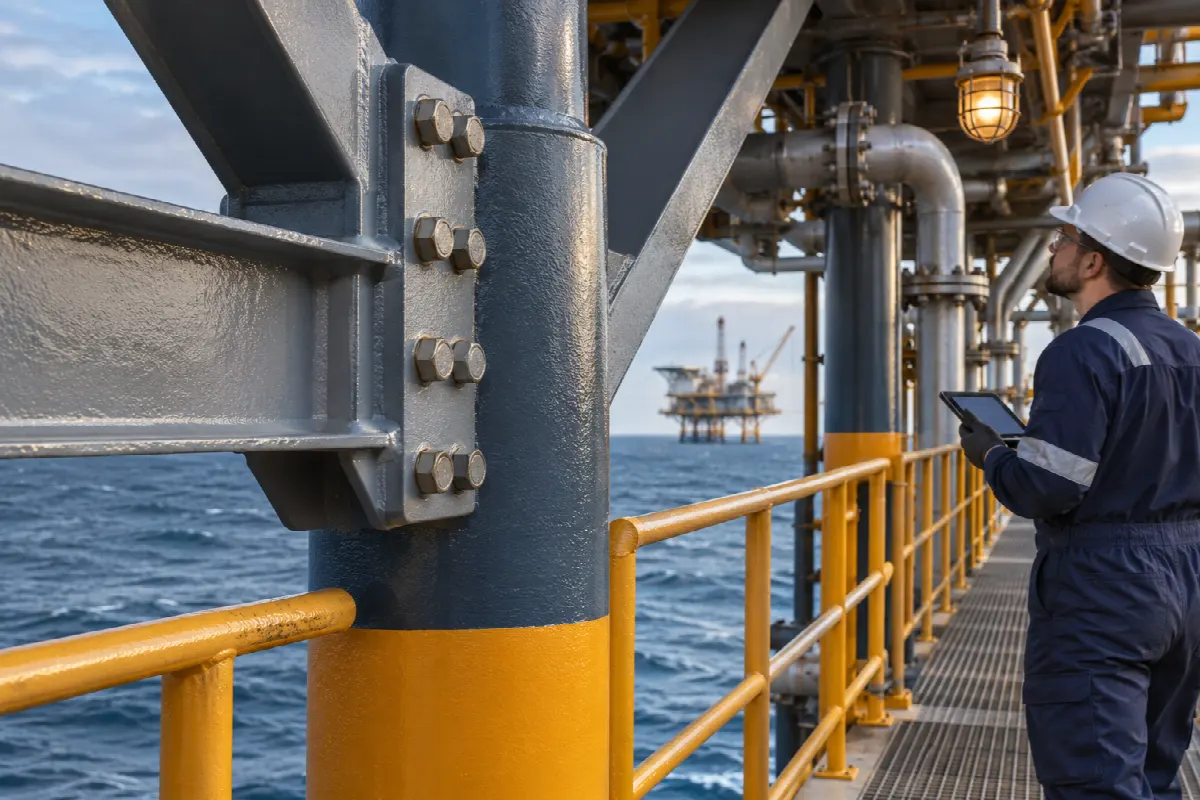
Inspection and maintenance information is especially valuable when access is limited. Records should identify the asset, the location of an observation and the conditions under which it was made. This helps the responsible team assess findings without losing their context. Where repeat observations are used to understand change, consistency of location and method improves the usefulness of the comparison and makes future planning more dependable.
Completed work should leave a clear record of what changed. Relevant materials, inspections, accepted deviations and follow-up requirements need to remain accessible to the owner. This supports later intervention and helps avoid repeating an investigation because the outcome of earlier work cannot be established. It also improves continuity when different teams support the same asset over its operating life.
The aim is to connect each intervention with ongoing care. A repair or replacement is most useful when its purpose, acceptance and future monitoring needs are understood by the people responsible for the asset after the immediate activity ends.
Discuss your offshore or marine requirement
A useful enquiry describes the asset, its location, the service involved and the support being considered. Include available drawings, equipment information and inspection findings, together with known access or logistics constraints. If the request concerns existing damage, photographs and a description of previous actions can help clarify the issue. The expected project window and the interfaces with other parties are also important to the initial discussion.
Petrodubai welcomes marine and offshore enquiries grounded in this practical context. Share your requirement through the contact page so the scope, information gaps and next steps can be considered together. Industrial support in a marine environment depends on suitable equipment decisions, coordinated preparation and reliable records. Starting with a clear technical brief helps bring those elements together and supports a more realistic understanding of the work required.