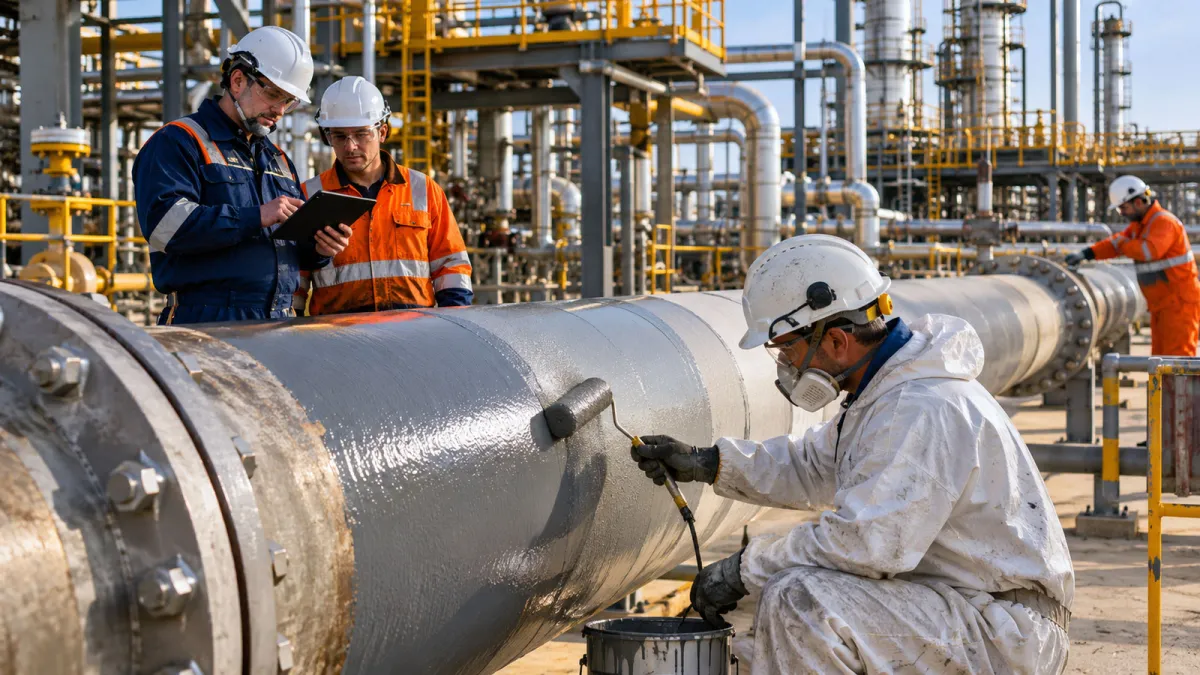

Maintenance guided by equipment condition
Predictive maintenance aims to identify developing equipment problems early enough for a useful response. In a refinery or petrochemical facility, that response may involve further investigation, a planned intervention or changes to a maintenance schedule following engineering review. The value lies in connecting evidence with action. Installing sensors or purchasing analysis software does not, by itself, create a predictive maintenance programme if the organisation cannot assess findings and arrange the necessary work.
The approach complements other maintenance methods. Some tasks remain time-based, some depend on statutory or manufacturer requirements, and some low-consequence items may be managed differently. The appropriate strategy follows the equipment's function, failure modes and consequences. A successful programme does not try to predict every failure with equal effort. It concentrates resources where condition information can provide a meaningful warning and where that warning can improve a decision.
Choosing the right assets first
Asset criticality helps determine where predictive techniques deserve attention. A pump with readily available standby capacity presents a different business and operational context from equipment whose failure could interrupt a major process or compromise a protective function. The assessment should consider safety, environmental consequences, production effects, repair complexity and redundancy. These factors establish priorities more reliably than selecting equipment simply because it is large, expensive or convenient to instrument.
The next question is whether the relevant failure mechanisms produce detectable signs in sufficient time. Some degradation develops gradually; other events provide little useful warning through routine monitoring. Understanding that distinction prevents unrealistic expectations. The initial scope should identify the failure modes of interest, the measurements that can reveal them and the actions available if an abnormal trend appears. This makes the programme manageable and gives the team a clear basis for judging results.
Establishing a trustworthy baseline
Condition data needs context. Vibration, temperature, electrical behaviour or lubricant characteristics can change with load, speed, process conditions and recent maintenance. A baseline should therefore describe the state of the machine and the conditions under which measurements were obtained. Comparing unlike operating states without that context can create false alarms or conceal deterioration. Reliable equipment identification and consistent measurement practices are essential foundations, even when sophisticated analysis tools are available.
Maintenance history adds another layer of meaning. A change following an overhaul may have a different explanation from a similar change during otherwise stable operation. Records of replaced components, alignment work, lubrication changes and operating incidents help analysts interpret the evidence. Good baseline management is an ongoing activity: the reference needs review when the equipment or its duty changes, while previous records remain accessible for understanding the longer-term story of the asset.
Using vibration information effectively
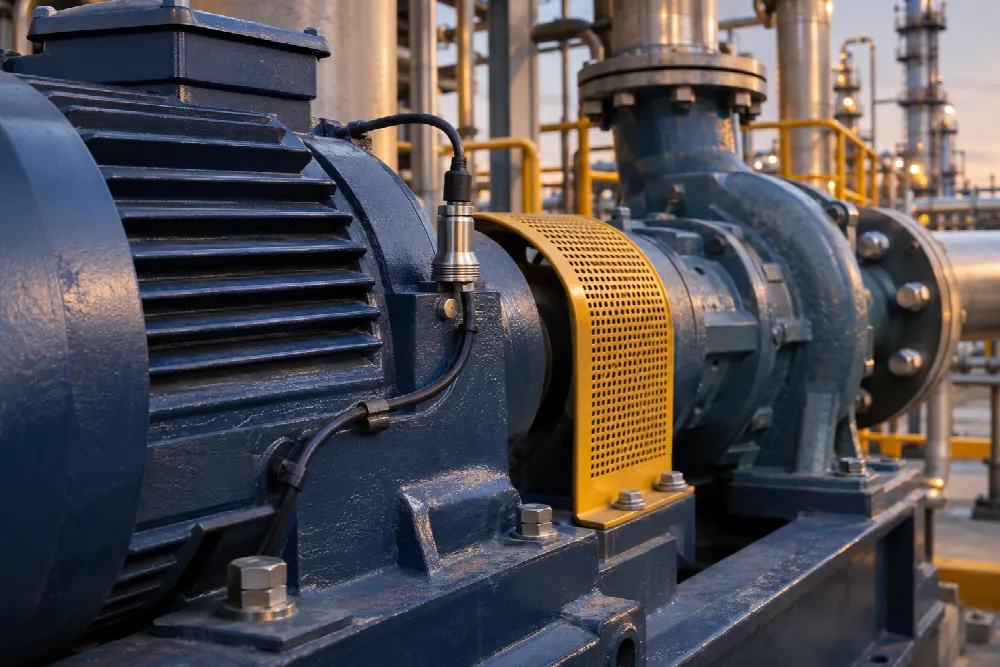
Vibration monitoring can help identify changes in rotating machinery, but its usefulness depends on measurement quality and informed interpretation. Sensor location, mounting, machine configuration and operating speed influence the signal. A single overall value may indicate that something has changed without explaining why. More detailed analysis can support diagnosis, provided the person reviewing it understands the machine and recognises the limitations of the available data and measurement method.
A practical programme defines how observations are reviewed and when further investigation is required. Trends should be linked with operating information and, where appropriate, other condition indicators. This avoids treating every increase as the same type of problem. The objective is not to make a diagnosis from a colourful chart alone, but to assemble enough reliable evidence to guide a proportionate response and to verify whether subsequent maintenance has addressed the concern.
Thermal, electrical and lubricant insights
Thermal imaging can reveal temperature patterns that warrant investigation, while electrical measurements may provide insight into motor and supply behaviour. Lubricant analysis can contribute information about contamination, lubricant condition or wear-related particles. These methods answer different questions and require suitable procedures, competent interpretation and awareness of operating context. A measurement is most valuable when the team understands both what it can indicate and what it cannot establish on its own.
Combining techniques can strengthen an assessment. An unusual temperature pattern accompanied by a changing vibration trend may justify a different investigation from either observation alone. Equally, apparently conflicting evidence should encourage review rather than selective reporting. Sampling consistency, instrument condition and the timing of measurements all affect confidence. The programme should preserve that context in its records so decisions can be revisited and the quality of monitoring improved over time.

Making analytics useful to engineers
Analytics can help organise large volumes of condition data, identify patterns and draw attention to changes that would be difficult to review manually. Its practical value depends on the quality of inputs and the relevance of the model to the equipment and duty. Missing measurements, altered operating regimes or incorrectly labelled records can weaken results. A model that performs well under one set of conditions may need review when those conditions change.
Engineers need enough visibility to understand why an alert has been raised and what uncertainty remains. Predictions should support judgement rather than obscure it behind a score. The workflow should distinguish an automated observation from a validated diagnosis and an approved maintenance decision. Keeping those stages separate enables appropriate review, reduces unnecessary interventions and helps the organisation learn which alerts consistently provide useful lead time and which require improvement.
Turning alerts into planned work
An alert has limited value unless someone is responsible for evaluating it. The organisation needs a defined route from detection to technical review, prioritisation and work planning. That route should account for urgency and the consequences of waiting. It also needs a way to record that an alert was assessed and explain the resulting decision, including cases where no immediate intervention is justified but additional monitoring is required.
Integration with the maintenance management system can make this process more dependable. A reviewed finding can become a traceable task with equipment identification, supporting evidence and a clear scope. Planners can then consider access, spare parts, competent personnel and coordination with operations. The aim is to use the warning period effectively, so the programme creates better-prepared work instead of simply generating a longer list of alarms and urgent requests.
Preparing people and supporting systems
Condition monitoring depends on several disciplines working together. Operators understand changes in process behaviour, technicians understand equipment access and maintenance history, and analysts interpret measurements. Their observations should be easy to share in a consistent format. Training needs to cover the purpose of measurements and the decisions they support, not only how to operate a device. This helps field teams recognise when unusual conditions require explanation or additional evidence.
Digital systems introduce their own responsibilities. Access control, data availability, secure connections and equipment support arrangements matter when monitoring becomes part of routine operations. A lost connection should be distinguishable from a healthy machine, and the team should know what to do when data is unavailable. These practical details prevent blind spots and keep confidence in the programme grounded in the condition of both the industrial asset and its monitoring infrastructure.
Measuring outcomes and learning from repairs
Useful performance measures examine whether the programme improves decisions. Relevant questions include whether findings were reviewed promptly, whether warnings provided enough time to prepare work and whether completed interventions confirmed the suspected problem. Counting sensors or alerts alone says little about value. The team should also track missed events and unnecessary investigations, using them to improve the selection of techniques, alarm logic and interpretation practices without concealing uncertainty.
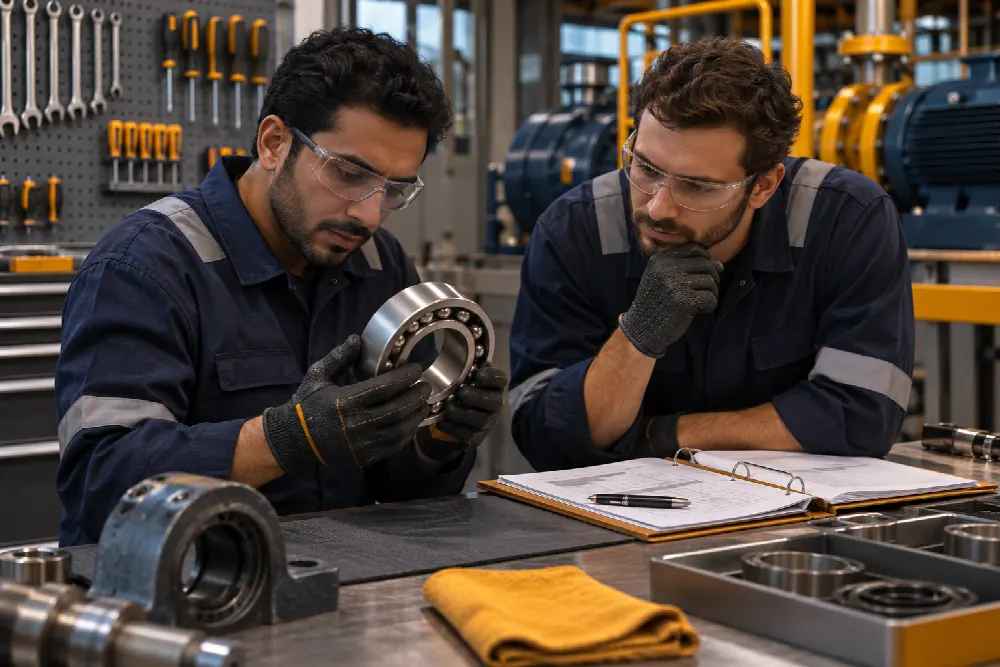
Repair findings are especially important feedback. When equipment is opened or components are replaced, observations can be compared with the earlier condition data. That comparison helps validate diagnoses and refine future assessments. A closed work order should therefore preserve meaningful findings, not merely record that the machine returned to service. Linking pre-maintenance evidence with the actual condition found builds a stronger knowledge base for similar equipment across the facility.
Building a practical programme
A focused pilot can establish the working method before monitoring expands across a site. It should include a defined group of assets, credible failure modes, agreed responsibilities and a way to evaluate results. The pilot must cover the complete workflow, including planning and verification after intervention. Otherwise it may demonstrate that data can be collected without proving that the organisation can use it to improve reliability or maintenance preparation.
For a predictive maintenance enquiry, useful information includes equipment type, duty, criticality, existing measurements and the maintenance challenges the team wants to address. Petrodubai welcomes this operational context when discussing industrial requirements. A sustainable programme grows from dependable measurements, competent assessment and completed actions. Technology can make those activities faster and more connected, but their value ultimately comes from better decisions about the equipment that supports daily production.