
Integrity begins with understanding the asset
A pipeline is more than a route between two facilities. Its integrity depends on pipe material, welded joints, protective systems, operating conditions and the environment around it. A problem in any of these areas can affect containment and service availability. Managing integrity means bringing those influences into one continuing process, so that inspections, engineering assessments and maintenance decisions respond to the condition of the actual asset rather than to assumptions inherited from its original design.
That process starts with a usable asset record. Route drawings, construction information, material specifications, repair history and operating envelopes help explain what is installed and where uncertainty remains. An incomplete record is itself important information: it identifies questions that need investigation before a confident decision can be made. The objective is not to collect documents indefinitely, but to establish a dependable basis for deciding which threats matter, how they can be detected and when intervention is necessary.
Recognising different damage mechanisms
Pipelines can face internal corrosion, external corrosion, cracking, mechanical damage, movement of the surrounding ground and interference from nearby activity. These threats behave differently and may interact. A coating defect, for example, has a different significance depending on the surrounding environment and the condition of other protective measures. An inspection strategy should therefore begin with credible damage mechanisms, not with a preferred inspection tool or a fixed list of measurements that ignores the pipeline's history.
Changes in service also deserve attention. Different fluid composition, water content, pressure cycling or temperature can alter the conditions experienced by an existing line. Previous satisfactory operation does not establish that a changed duty will be equally suitable. Operations, integrity and process specialists need a common way to review changes and preserve the evidence behind their conclusions. This makes it easier to distinguish expected behaviour from a developing problem and to update the inspection programme accordingly.
Building a useful risk picture
Risk assessment combines the likelihood of a loss of containment with its possible consequences. Both sides require context. A section near occupied buildings, waterways or difficult access may demand different attention from a similar section elsewhere. The assessment should also recognise uncertainty, the quality of available records and the effectiveness of existing controls. A numerical ranking is useful only when the team can explain what drives it and which decisions it is intended to support.
A practical risk register links each significant threat to evidence, responsible people and a planned response. It can identify where further survey work is needed, where inspection coverage is inadequate or where an existing control requires verification. The register must evolve when new information arrives. Treating it as a document completed once at project handover misses its main value: keeping inspection priorities aligned with the pipeline's changing condition and surroundings throughout its operating life.
Selecting inspection methods
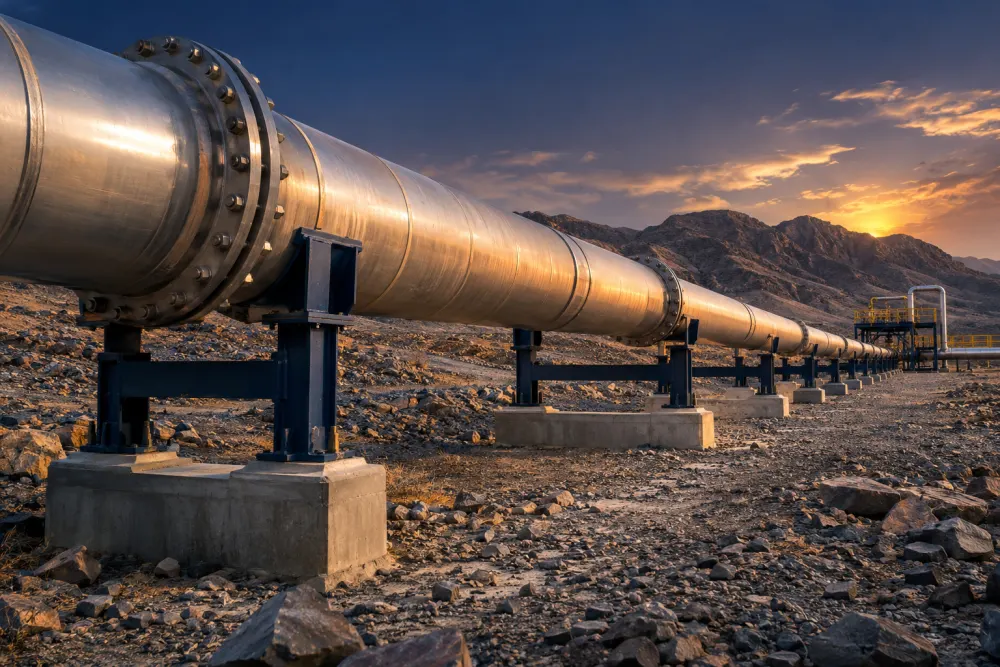
Inspection methods provide different views of a pipeline. In-line tools may gather information about metal loss, geometry or particular crack characteristics when the line and tool are compatible. External examinations can investigate accessible locations or indications selected for further assessment. Pressure testing and other assessment methods have their own purposes and limitations. No single method should be assumed to reveal every relevant defect, and tool selection requires a clear definition of the threat being investigated.
Planning also needs to account for access, operating constraints, preparation, data quality and the resources required to assess results. An inspection that produces a large data set without a review plan can leave important findings unresolved. Before work begins, the owner should understand what the method can reliably detect, how uncertain results will be treated and how indications will be prioritised. These questions turn inspection from a collection exercise into a meaningful part of integrity management.
Connecting results with engineering decisions
An indication is the beginning of an assessment, not automatically a repair instruction. Its dimensions, location, orientation and relationship with other features influence its significance. Measurement uncertainty and the limitations of the inspection method also matter. Qualified engineering review uses the applicable assessment framework and the asset's operating conditions to determine the appropriate response. Where evidence is insufficient, additional examination may be needed before deciding whether continued operation, monitoring or intervention is justified.
Clear records should distinguish the original observation from the assessment and the approved action. That separation allows future reviewers to understand how a conclusion was reached if operating conditions or assessment methods change. It also prevents an unresolved indication from disappearing into an informal conversation. Each action needs an owner and a completion record, with appropriate escalation for significant findings. Integrity depends as much on closing decisions as it does on finding defects in the first place.

Protecting the outside of the line
External protection normally involves coordinated measures suited to the pipeline and its environment. Coatings provide a barrier, while cathodic protection may form another part of the system where applicable. Their effectiveness depends on design, installation quality, environmental conditions and continuing verification. Damage during handling or construction can introduce weaknesses before service begins. Protection planning therefore extends beyond selecting a coating product to include preparation, application, inspection and the management of installation interfaces.
Above-ground sections bring different practical concerns, including supports, exposed joints, weathering and areas where water or debris can accumulate. Buried sections require attention to route conditions and the performance of relevant protection systems. These differences should appear in inspection plans rather than being hidden within a generic pipeline checklist. A repair also needs to restore the protective system appropriately; addressing a local defect without considering surrounding coating or support conditions can leave a recurring maintenance problem.
Managing internal conditions
Internal integrity is closely connected to the fluid being transported and the way the system operates. Water, solids, contaminants and changes in flow can influence corrosion or deposition in particular locations. Monitoring should be selected to answer defined questions about those conditions. Samples and measurements are most useful when their location, timing and operating context are known, allowing the integrity team to interpret trends rather than treating individual readings as a complete picture.
Where cleaning, chemical treatment or other controls are part of an approved programme, their effectiveness needs evidence. A scheduled activity is not proof that the intended condition has been achieved. Operations and integrity teams should review relevant findings together, especially after changes in feed, throughput or prolonged shutdown. This coordination helps identify whether a developing trend reflects altered service, a control that needs attention or a gap in the available monitoring information.
Route awareness and external activity
The environment around a pipeline rarely remains unchanged. Construction, excavation, vehicle movement, drainage changes and ground instability can introduce new threats. Route surveillance and communication with relevant stakeholders help the operator recognise these developments. The appropriate measures depend on the location and applicable requirements, but the principle is consistent: the pipeline should be managed as part of a changing physical environment, with clear arrangements for reporting activity that could affect its integrity.
Information from field teams is especially valuable when it reaches the people responsible for assessment. A damaged marker, exposed section, altered support or unusual ground condition may appear minor until it is considered alongside other evidence. Reporting channels should therefore be straightforward and traceable. Observations need review and closure, while urgent concerns require established escalation arrangements. This practical connection between field awareness and technical decision-making complements formal inspection programmes and helps avoid preventable gaps.
Planning repairs and verifying completion
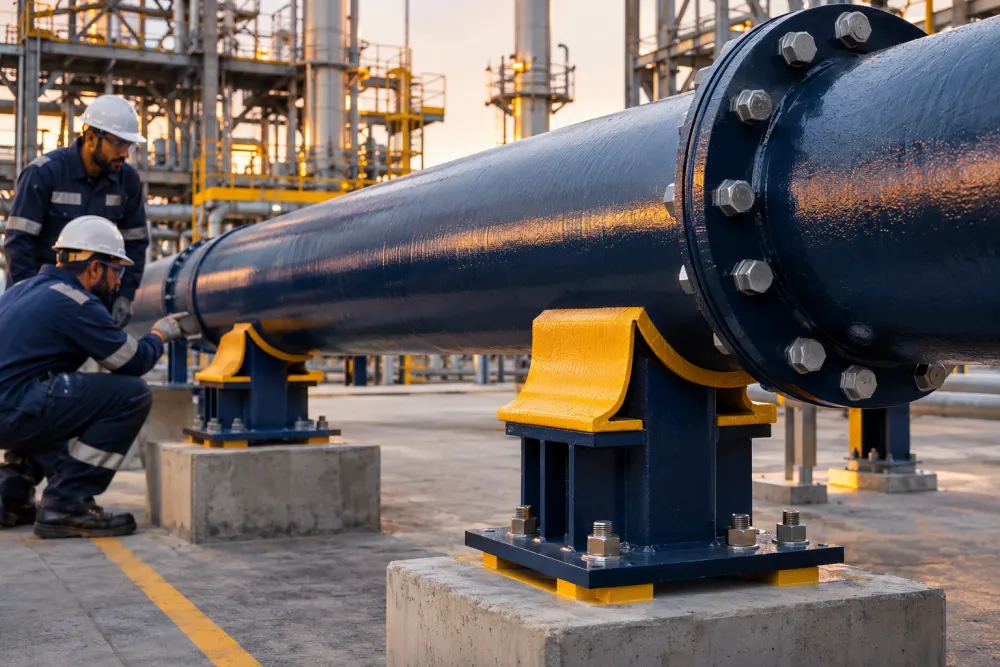
A repair programme must consider engineering suitability, safe access, operational coordination, materials, workmanship and the evidence needed for acceptance. The fastest available solution is not necessarily appropriate for the damage mechanism or remaining service requirements. Planning should identify the boundaries of the work and any related defects that need assessment. It should also consider whether the intervention addresses the underlying cause or only restores a local section while the wider threat remains.
After completion, records need to capture what was actually installed, inspected and accepted. Updated drawings, material details and examination results become part of the asset history used in future decisions. Where monitoring or follow-up inspection is required, those tasks should enter the operating system rather than remain buried in a project closeout file. A well-documented repair improves both present integrity and the quality of subsequent assessments across the life of the pipeline.
Making integrity a continuous discipline
An effective integrity programme connects records, risk assessment, inspection, engineering review and completed actions. Performance measures should show whether significant findings are being resolved, whether data gaps are shrinking and whether controls remain effective. Counting inspections alone can give a misleading sense of progress if important decisions remain open. Periodic review helps the operator adjust priorities as asset condition, operating requirements and the surrounding environment change.
For a pipeline enquiry, useful starting information includes the service, route characteristics, available drawings, known damage mechanisms and the decision that the assessment must support. Petrodubai welcomes discussions grounded in this practical context, allowing requirements and responsibilities to be clarified before a scope is developed. Reliable pipeline operation depends on coordinated work over time: sound engineering, credible evidence and consistent follow-through on the actions that evidence requires.