
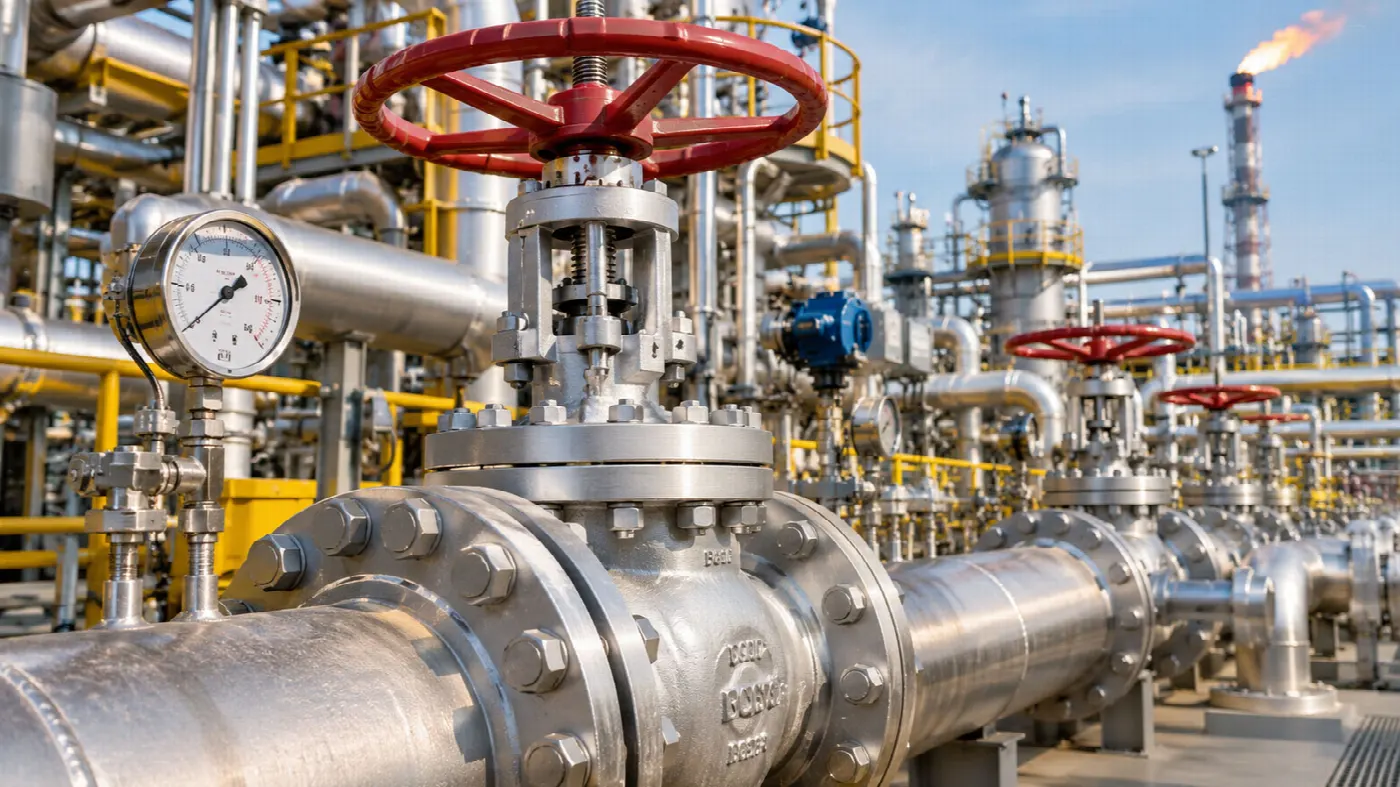
A small component can have a major operational role
Industrial valves influence how fluids move, how equipment is controlled and how sections of a process are separated for approved work. Their importance is not determined by size alone. A relatively small valve can affect the operation of a much larger system if its function, condition or response is unsuitable. Understanding the role of a valve therefore begins with the process requirement rather than with its catalogue description.
Oil and gas facilities use valves in many different services, from utility systems to demanding process applications. The same external appearance can conceal important differences in materials, internal components and operating capability. A useful selection process identifies the task, service conditions and required performance before comparing products. This creates a basis for technical review and helps avoid assuming that a familiar design will be appropriate simply because it has been used elsewhere.
Distinguish isolation, control and protective functions
An isolation valve is intended to separate parts of a system according to its specified duty. A control valve is used to influence a process variable by adjusting flow. Other valves may prevent reverse flow or perform a protective function within a specifically designed system. These purposes should not be treated as interchangeable. Equipment that can physically move between open and closed positions is not automatically suitable for every function.
The process description should explain what the valve is expected to do during normal operation and under relevant abnormal conditions. It should also identify the consequences of an unsuitable response. This helps the engineer determine what performance needs to be demonstrated. Safety-related applications require their own competent assessment and applicable requirements; a general description of a valve type cannot establish that it is suitable for a particular protective duty.
Define service conditions before discussing size
A valve specification needs information about the fluid and the conditions in which it will operate. Pressure, temperature, flow behaviour and the presence of solids or corrosive constituents can influence selection. The range of conditions matters as much as a single nominal value. Startup, shutdown and other operating modes may introduce circumstances that differ from the steady-state description used in an initial inquiry.
Connections and installation constraints also need attention. Pipe interfaces, available space, orientation and maintenance access can affect the proposed arrangement. A complete description allows the supplier and engineer to identify missing information rather than make silent assumptions. If the service is still being defined, that uncertainty should remain visible in the enquiry. A quotation based on an incomplete duty should not be mistaken for final technical confirmation of suitability.
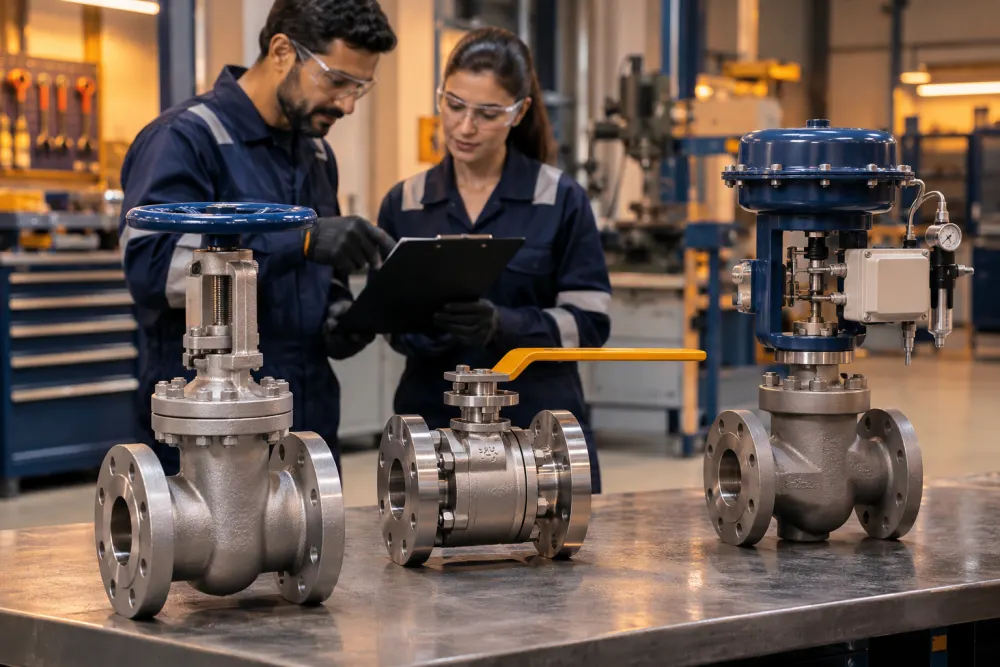
Valve construction influences how it performs
Different valve designs manage flow and sealing in different ways. Ball, gate, globe and butterfly arrangements are familiar examples, but the design name alone does not establish performance in a specific service. Materials, seat construction, internal geometry and the manufacturer's documented limits also matter. The appropriate choice depends on the intended function and the conditions under which the equipment will be expected to operate.
Comparisons should therefore consider a complete specified configuration. Two products described using the same broad type may have different limitations or maintenance requirements. A practical review asks which features are needed for the duty and which documents demonstrate them. This keeps the discussion connected to the process instead of becoming a competition between generic valve categories. It also makes proposed substitutions easier to evaluate against a defined technical basis.
Materials and sealing require application-specific review
The valve body is only one part of the material selection question. Internal components, seats, seals and packing can encounter different conditions and may govern the suitability of the assembly. Compatibility should be reviewed for the actual fluid and operating range. A material that performs well in one environment may not be appropriate in another, even where the equipment dimensions and pressure description appear similar.
Maintenance history can provide useful context but should not replace an engineering assessment. Repeated leakage, wear or difficulty operating a valve may indicate several possible causes. The team should consider process conditions, material compatibility, installation and operating practice before selecting a replacement. Simply purchasing the same item again can reproduce the original problem. A documented investigation helps distinguish a component defect from a mismatch between the valve and its duty.

Actuation connects mechanical equipment with the control system
A valve may be operated manually or through an actuator, depending on its role and the project requirements. An actuated assembly introduces additional interfaces involving power, signals, position feedback and the surrounding control arrangement. These interfaces need to be defined together. Choosing a valve and an actuator independently without reviewing the complete assembly can leave important assumptions unresolved until installation or commissioning.
The required behaviour under different conditions should be established by the responsible engineering team. This includes the intended response to loss of a supporting service where relevant. It should not be inferred from the appearance of the actuator or a general product description. Documentation, testing and operating procedures should reflect the approved arrangement. Clear communication between mechanical, instrumentation and process disciplines helps ensure that the installed system matches the intended function.
Installation quality affects long-term service
A correctly specified valve still depends on appropriate installation. Handling, cleanliness, mechanical interfaces and the surrounding piping arrangement can influence its condition and performance. The manufacturer's instructions and the project's approved procedures provide the relevant basis. Installation should be planned with sufficient access for inspection and future maintenance, rather than judged only by whether the assembly can be fitted into the available space.
Records of the installed configuration are useful throughout service. Equipment identification, orientation, actuator details and any approved changes should be captured accurately. When the installation differs from an original drawing, the documentation should be updated through the appropriate process. This reduces the risk that a future maintenance team plans work using an arrangement that no longer exists. It also supports more efficient discussions when replacement parts or technical assistance are needed.
Inspection and testing need a defined acceptance basis
The meaning of a test result depends on what was tested, how it was tested and which acceptance requirement applies. Different duties may call for different checks. A successful result for one characteristic does not demonstrate every aspect of service performance. The project should establish the inspection and documentation requirements before procurement so that the supplier, inspector and client understand the evidence that will be required.
During service, observations should be connected to the valve's function and operating context. An apparent leak, an unusual movement or a change in response needs assessment under the site's procedures. General articles should not be used to decide whether a system is adequately isolated or safe to open. Those decisions require authorised personnel and the applicable verification process. The practical lesson is to maintain a clear link between equipment condition, technical review and approved action.
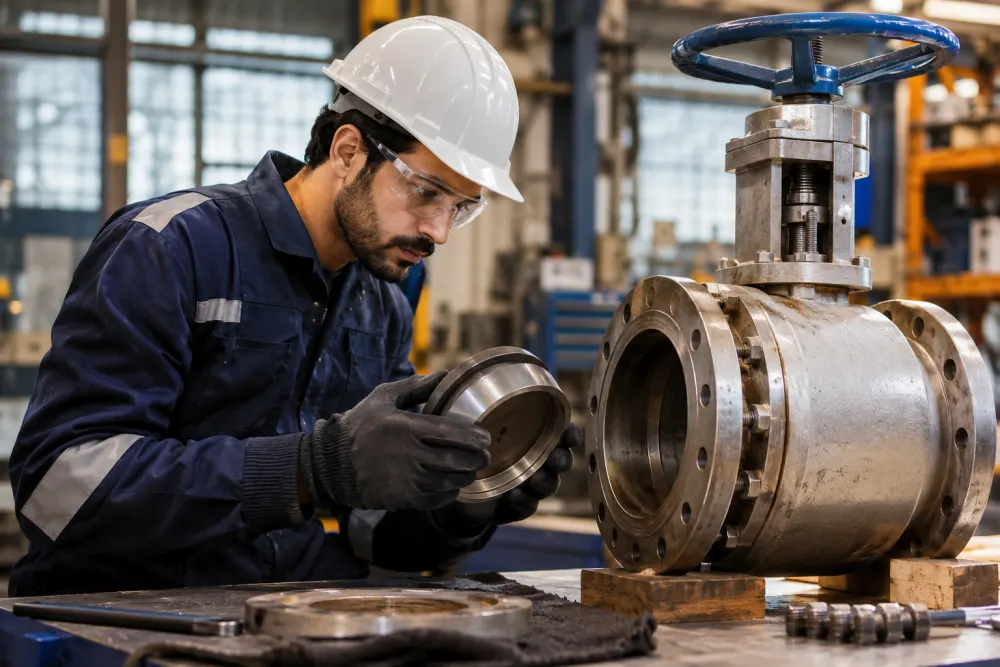
Maintainability belongs in the purchasing decision
A valve may remain in service for a long period, while its maintenance needs can change with operating conditions. Availability of suitable parts, access to documentation and the support arrangements for specialised components affect the whole-life decision. A low purchase price can be less attractive if future work requires difficult access or if essential components are unavailable when needed. These considerations should be evaluated before the equipment becomes an operational dependency.
Standardisation can simplify maintenance, but it should not override suitability for the duty. Using a common design across a facility may reduce the variety of spare parts, yet individual applications can still require different materials or arrangements. The objective is a manageable equipment population with justified differences. A clear record of those differences helps planners avoid treating visually similar valves as interchangeable during purchasing, storage or maintenance preparation.
Prepare an enquiry that supports a useful response
A strong valve enquiry identifies the process function, fluid, operating range, connection requirements and available technical documentation. It also explains whether the work concerns new equipment, replacement, repair or a recurring performance problem. Photographs can help describe an installation, but they should be accompanied by reliable identifiers and drawings where available. The better the context, the easier it is to identify the questions that need specialist review.
Petrodubai's industrial piping and technical service focus provides a basis for discussing valve-related requirements as part of a wider system. The appropriate scope depends on the application and the support required. Valves deserve careful attention because they connect process intent with physical equipment performance. Clear specification, suitable selection, controlled installation and informed maintenance help keep that connection understandable throughout the asset's life, rather than leaving important decisions to assumptions made when a problem occurs.